

Casement vs Sliding Windows: Which is Right for Your Space?
Choosing the right windows for your home is a decision that impacts not only its aesthetic appeal but also its energy efficiency, ventilation, and overall comfort. Among the most popular choices, casement windows and sliding windows stand out, each offering distinct advantages. Understanding the fundamental differences in a casement vs sliding windows comparison, from their design and […]
Woodminium
14 August 2025 · 6 min read
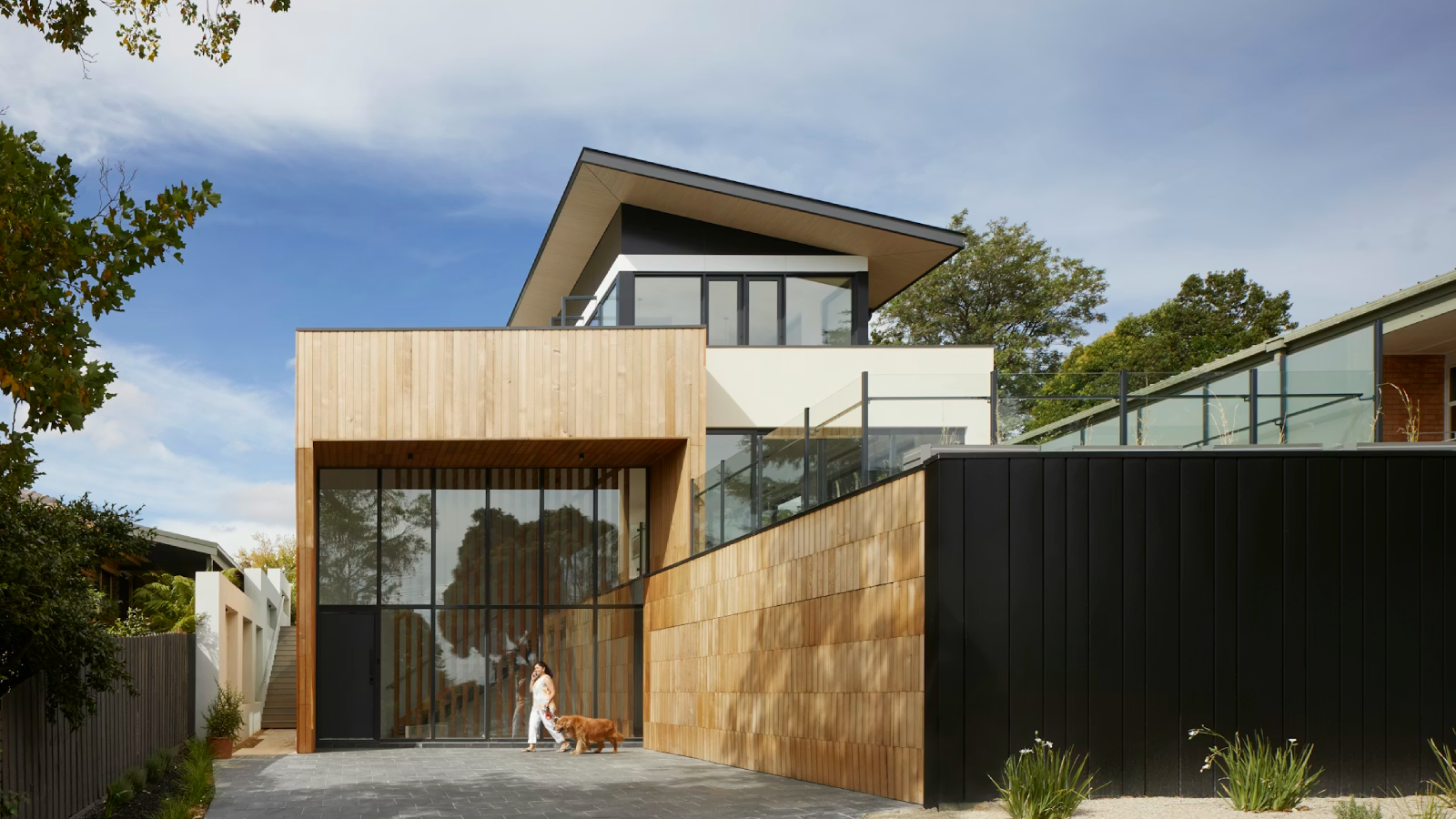
Choosing the right windows for your home is a decision that impacts not only its aesthetic appeal but also its energy efficiency, ventilation, and overall comfort. Among the most popular choices, casement windows and sliding windows stand out, each offering distinct advantages. Understanding the fundamental differences in a casement vs sliding windows comparison, from their design and […]
Choosing the right windows for your home is a decision that impacts not only its aesthetic appeal but also its energy efficiency, ventilation, and overall comfort. Among the most popular choices, casement windows and sliding windows stand out, each offering distinct advantages. Understanding the fundamental differences in a casement vs sliding windows comparison, from their design and functionality to their energy performance and cost, is crucial for making an informed decision that perfectly suits your space and lifestyle.
What Are Casement Windows?
Casement windows, often referred to as hinged windows, are characterized by their simple yet effective design. They operate by opening outward, either to the left or right, similar to a door. This outward opening is facilitated by hinges attached to the window frame, typically on the side, top, or bottom. Most modern casement windows are operated by a crank mechanism, which allows for effortless opening and closing.
They are highly favored for their ability to provide unobstructed views and superior ventilation, as the entire window sash can open fully, scooping in breezes. WOODMINIUM offers a range of high-performance casement windows that combine elegant design with cutting-edge technology, ensuring both beauty and functionality. These outward-opening windows are a popular choice for homeowners seeking excellent airflow and a classic, clean look, contributing significantly to a home’s energy efficiency.
What Are Sliding Windows?
Sliding windows, as their name suggests, operate by sliding horizontally along a track. They typically consist of two sashes, with one sash sliding past the other to open. In some designs, both sashes might be operable, or a fixed central pane can be flanked by two sliding sashes.
This horizontal sliding window design is particularly prized for its space-saving qualities, as no part of the window protrudes outward or inward when opened. They are a practical solution for areas where an outward-swinging casement window might interfere with outdoor pathways, landscaping, or indoor furnishings. WOODMINIUM‘s sliding windows are engineered for smooth operation and durability, making them a fantastic choice for modern homes and commercial spaces alike. Their straightforward operation and sleek profile make them a versatile and popular option for various architectural styles.
Key Differences: Casement vs Sliding Windows
While both casement and sliding windows serve the same fundamental purpose, their operational mechanics and inherent characteristics lead to significant differences across several key aspects. Understanding these distinctions is paramount when deciding which type is best suited for your home.
| Feature | Casement Windows | Sliding Windows |
| Operation | Opens outward via a crank or lever. | Slides horizontally along a track. |
| Ventilation | Superior (Full window opening acts as a funnel). | Limited (Max. 50% of the window opens). |
| Energy Efficiency | Generally Higher (Tight, compression seal). | Generally Lower (Relies on weather stripping and overlapping sashes). |
| Aesthetics | Clean, unobstructed view (Picture-window effect). | Linear look, meeting rail breaks the view. |
| Space Use | Requires exterior clearance. | Operates within its frame (Space-saving). |
| Cost | Typically Higher initial cost (Due to complex hardware). | Typically Lower initial cost (Simpler mechanism). |
Design and Appearance
- Casement Windows: These windows offer a clean, contemporary, and often more traditional appearance. When closed, their single-pane design provides an expansive, unobstructed view. The slim frames of WOODMINIUM‘s aluminium windows for casement styles enhance this aesthetic, allowing for maximum glass area and a seamless connection with the outdoors.
- Sliding Windows: Sliding windows have a more linear and often minimalist look due to the visible meeting rail where the sashes overlap. Their horizontal lines can complement modern architectural styles, offering a sleek, unobtrusive profile that emphasizes width.
Functionality: Operating Casement vs Sliding Windows Types
- Casement Windows: Operated by a crank, casement windows are incredibly easy to open and close, requiring minimal effort. This makes them ideal for hard-to-reach places, such as above kitchen sinks. Their outward swing allows for maximum ventilation.
- Sliding Windows: Sliding windows operate by simply pushing one sash horizontally past the other. While straightforward, they typically only allow for about half of the window area to open for ventilation. Cleaning can be more challenging for the exterior of fixed sashes or the overlapping tracks, which require regular maintenance.
Energy Efficiency: Casement vs Sliding Windows Performance
Energy efficiency is a major factor for homeowners, impacting utility bills and indoor comfort.
- Casement Windows: Generally, casement windows are considered among the most energy-efficient window types. When closed, the sash presses tightly against the frame, creating a strong, airtight seal. WOODMINIUM‘s thermal insulation windows in a casement design further enhance this performance, minimizing air leakage and heat transfer.
- Sliding Windows: Due to their sliding mechanism, sliding windows can be more prone to air leakage than casement windows. While modern designs have improved with better seals, they typically cannot achieve the same level of airtightness. WOODMINIUM offers aluminium windows designed with precision engineering and high-quality seals to mitigate these issues. For more information on advanced thermal performance, you can explore solutions from industry leaders like Schüco.
Pros and Cons of Each Window Type
Casement Windows
| Pros | Cons |
| Superior Ventilation (Full opening) | Requires exterior clearance (Protrudes outward) |
| Excellent Energy Efficiency (Airtight seal) | Higher Initial Cost (Complex hardware) |
| Unobstructed Views | Screens are typically placed on the inside |
| Enhanced Security (Multi-point locking systems) | Limited size configurations (Can’t be made as wide as some sliders) |
Sliding Windows
| Pros | Cons |
| Space-Saving Design (No protrusion) | Limited Ventilation (Only opens about half) |
| Cost-Effective (Often more affordable to purchase and install) | Potential for Air Leakage (Less airtight seal) |
| Easy, simple horizontal operation | Track Maintenance (Requires regular cleaning) |
| Can be manufactured in very wide formats | Meeting rail can break up the view |
Which Window Type Should You Choose?
The decision between casement and sliding windows ultimately depends on a careful assessment of your specific needs, the architectural style of your home, and your personal priorities.
- Priority: Ventilation & Energy Efficiency: Choose WOODMINIUM‘s casement windows. Their compression seal and full-sash opening provide unmatched airflow and thermal performance, making them excellent ventilation windows.
- Priority: Space Constraints & Budget: Choose WOODMINIUM‘s sliding windows. They are ideal for high-traffic areas or spaces with limited exterior clearance, and they are generally more budget-friendly. Our aluminium windows provide excellent value for this style.
- Priority: Thermal & Acoustic Performance: For maximum thermal performance, our thermal insulation windows in a casement style are superior. If you’re also concerned about noise, explore our soundproof windows solutions.
For a broader perspective on all available options, explore WOODMINIUM‘s full range of window solutions to find the perfect fit for your project.
Conclusion
Both casement and sliding windows offer distinct advantages that can enhance a home’s beauty and functionality. There is no universally “better” option; the ideal choice depends on a careful evaluation of your specific architectural style, budget, climate, and personal preferences for ventilation and aesthetics. The ultimate choice in the casement vs sliding windows debate depends entirely on the unique requirements of your home. Whether you prioritize the superior energy efficiency and unobstructed views of WOODMINIUM‘s casement windows or the space-saving convenience and sleek design of their sliding windows, understanding these key differences will empower you to make an informed decision, ensuring your home benefits from the perfect window solution.
Related
Keep exploring
Hand-picked next steps based on what you just read.
Aluminium Windows range
All window systems & finishes.
Aluminium Doors range
Sliding, French, bifold options.
Schueco systems
AWS, ASE, ADS premium profiles.
Real Woodminium projects
Villas, apartments & resorts.
Read more articles
Guides, comparisons & inspiration.
Get a free quote
Site survey in 24–48 hrs.
Ready to design your perfect openings?
Talk to a Woodminium consultant for a tailored recommendation, on-site survey and quotation.