
What Are Casement Doors?
Casement doors are characterized by their simple yet highly effective design: they are hinged along one side and open either inward or, more commonly in modern applications, outward, much like a traditional window or a standard interior door. This operational mechanism allows the entire door panel to swing clear of the opening, providing a full, unobstructed passageway. Unlike sliding or folding systems that retain a portion of the frame or panels within the opening, role of casement doors offer a completely clear aperture when open.
Modern casement doors are fabricated from a variety of durable and aesthetically pleasing materials:
- Aluminium: WOODMINIUM‘s specialty, aluminium doors, are particularly popular for casement designs in modern architecture. Aluminium allows for incredibly slim, minimalist frames that maximize glass area, providing a sleek, contemporary look while offering exceptional strength and durability. Its resistance to corrosion and low maintenance make it ideal for various climates.
- uPVC: Unplasticized polyvinyl chloride (uPVC) is another common material, prized for its excellent thermal insulation properties, durability, and cost-effectiveness. Modern uPVC profiles can be designed to mimic traditional aesthetics or achieve cleaner, more contemporary lines.
- Wood: While often associated with traditional homes, engineered wood casement doors can be crafted with clean lines and large glass panels to suit modern designs, offering natural warmth and superior insulation.
The core functionality of casement doors makes them highly versatile:
- Hinged Opening: This mechanism ensures a complete opening, offering maximum access and clear views.
- Full Ventilation: When open, casement doors provide excellent airflow, allowing for significant natural cross-ventilation, which is crucial for maintaining comfortable indoor air quality.
- Secure Closure: Modern casement door systems feature robust multi-point locking mechanisms that secure the door at several points along the frame, offering superior security compared to simpler locking systems. The compression of the door against the frame when closed also creates a tight, weatherproof seal.
WOODMINIUM‘s casement doors embody these features, merging cutting-edge material science with thoughtful design to deliver performance and elegance. These doors are a testament to how classic functionality can be refined for the demands of modern living.
Role of Casement Doors in Modern Architecture
Casement doors distinguish themselves in modern architecture through a combination of inherent design advantages and contemporary enhancements. They fulfill critical roles in both the aesthetic and functional performance of a building.
Design and Aesthetic Appeal
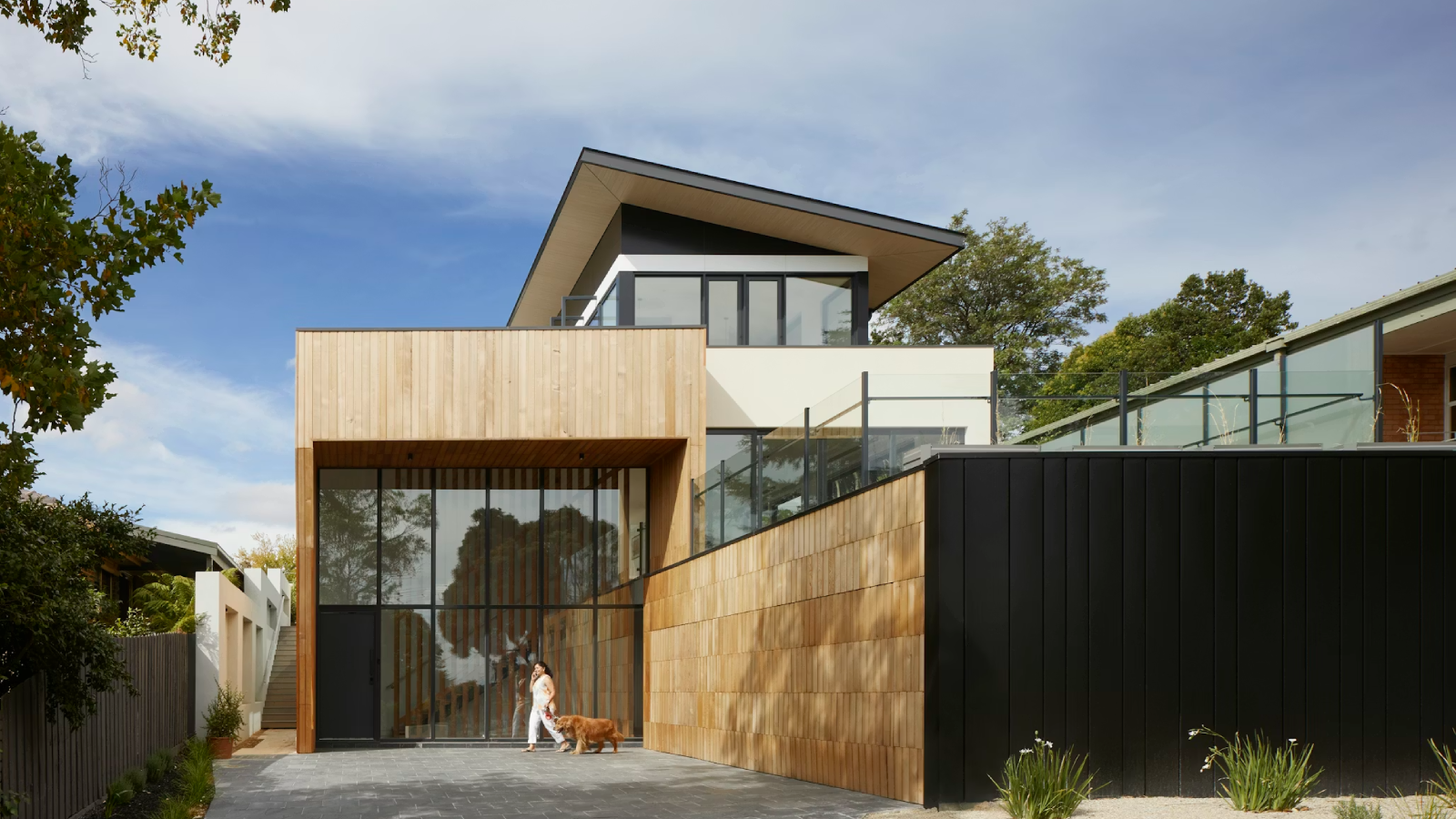
In modern architecture, there’s a strong emphasis on clean lines, expansive glass, and a seamless connection between indoor and outdoor spaces. Casement doors align perfectly with this philosophy.
- Sleek Frames: Modern casement doors, particularly those crafted from aluminium by WOODMINIUM, feature incredibly slim frames that minimize visual obstruction. This allows for maximum glass area, enhancing natural light intake and providing expansive, unobstructed views of the exterior. This minimalist aesthetic integrates beautifully with contemporary interiors, complementing minimalist furniture and open-plan living.
- Large Glass Panels: The robust construction possible with modern materials allows for large, single-pane glass panels. This design choice contributes to a sense of openness and allows the door itself to act as a significant architectural feature, reflecting light and views.
- Versatility in Configuration: While often installed as single units, casement doors can also be configured as pairs (like French doors) or integrated into larger glass facades, creating impressive glass walls that pivot open. This versatility allows architects to achieve diverse design objectives, from a subtle balcony access to a grand entryway.
Ventilation And Role Of Casement Doors
The operational mechanics of casement doors offer distinct functional advantages, especially concerning airflow and ease of use.
- Outward-Opening Mechanism: This characteristic is key to their superior natural airflow. When fully opened, the door panel can act as a “scoop,” directing breezes into the interior. This is particularly effective for cross-ventilation, helping to cool spaces naturally and improve indoor air quality. Unlike sliding doors that only partially open, casement doors provide a full, unrestricted opening.
- Easy Maintenance: Their simple hinged operation generally means fewer complex moving parts compared to multi-panel sliding or folding systems. This translates to straightforward cleaning and maintenance. The ability to swing the door fully open often allows for easier access to both sides of the glass for cleaning, even from the interior.
- Accessibility: With proper threshold design, casement doors can be highly accessible, offering a clear, wide opening without tracks or steps, contributing to barrier-free access doors.
Energy Efficiency
Modern casement doors are designed with energy efficiency as a core principle, contributing significantly to a building’s thermal performance.
- Superior Air Tightness: When closed, the door sash presses firmly against the frame, creating a remarkably tight seal. This compression minimizes air leakage (drafts), which is a major source of heat loss in winter and heat gain in summer. This inherent airtightness makes them exceptionally efficient.
- High Insulation Values: WOODMINIUM‘s thermal break doors in a casement design incorporate advanced thermal break technology within the frames (especially in aluminium), along with high-performance glazing (double or triple-glazed units with inert gas fills and Low-E coatings). These features work together to significantly reduce thermal transmittance, resulting in excellent U-values.
- Contribution to Sustainable Design: By reducing energy consumption for heating and cooling, well-insulated casement doors play an important role in achieving sustainable building certifications and lowering a building’s carbon footprint. They are a critical component of energy-efficient doors strategies.
Security and Durability
Security and durability are paramount for any entryway, and modern casement doors excel in these areas.
- Robust Locking Mechanisms: Contemporary casement doors typically feature multi-point locking mechanisms. These systems engage at multiple points along the door frame when the door is closed, making them highly resistant to forced entry compared to single-point locks. This offers superior peace of mind.
- Sturdy Construction: Crafted from high-strength materials like WOODMINIUM‘s aluminium, these doors are inherently durable and resistant to warping, rotting, and corrosion. This robust construction, combined with reinforced frames, contributes to their long lifespan and ability to withstand harsh weather conditions.
- Integrated Hardware: Modern designs often feature integrated or concealed hinges, not only enhancing aesthetics but also making them more secure against tampering. This contributes to them being reliable security entry doors.
Casement Doors vs Other Door Types
To fully appreciate the role of casement doors in modern architecture, it’s useful to compare them with other popular door types:
| Door Type | Key Advantages | Key Considerations | WOODMINIUM Alternative |
| Casement Doors | Full opening, superior airtightness & ventilation, high security. | Requires swing space (inward or outward). | N/A (Focus Product) |
| Sliding Doors | Space-saving operation, ideal for wide openings and tight areas. | Only opens to 50% of its width, potentially less airtight due to tracks. | Sliding Doors |
| French Doors | A classic, elegant style of double casement door; creates a wide, grand opening. | Requires significant swing space for two doors. | French Doors |
| Folding Doors | Creates expansive, almost completely open apertures, blurring indoor/outdoor lines. | More complex mechanism with more moving parts; can be less airtight. | Fold-Slide Doors |
In essence, casement doors excel where airtightness, strong security, and maximum ventilation for a standard door opening are priorities, offering a cleaner, more robust feel than many sliding counterparts and a more contained opening than folding systems.
Choosing Casement Doors for Your Space
Integrating casement doors into your project requires careful consideration to ensure they perfectly align with your design vision and functional requirements.
- Room Size and Layout: Casement doors require swing space – either inward or outward. Ensure there’s adequate clearance for the door to open fully without obstructing furniture, walkways, or landscaping. For balconies, outward-opening doors are common, but ensure they don’t impede external pathways.
- Design Style: Casement doors with their clean lines and expansive glass panels are inherently suited for modern architectural projects. If your design emphasizes minimalism, natural light, and a seamless flow, they are an excellent choice. WOODMINIUM offers various aluminium door designs that complement contemporary aesthetics.
- Ventilation and Airflow: If maximizing natural cross-ventilation is a priority, the full opening capacity of casement doors is a significant advantage. Consider how this airflow will interact with other openings in your space.
- Security Requirements: For main entry points or areas requiring robust security, the multi-point locking systems and sturdy construction of modern casement doors offer superior protection. Always inquire about specific security ratings and features.
- Budget: While generally not the cheapest option compared to basic sliding doors, the investment in high-quality casement doors pays off in terms of durability, energy efficiency, and long-term performance. WOODMINIUM focuses on delivering value through superior engineering.
- Climate Considerations: Their excellent airtightness makes them highly suitable for regions with varying climates, offering effective insulation against both cold and heat. This makes them ideal as energy-efficient doors.
- Acoustic Performance: With proper glazing and sealing, casement doors can also contribute to reducing external noise, offering good acoustic insulation. For specific noise reduction needs, consider WOODMINIUM’s acoustic doors which often feature enhanced casement designs.
Explore WOODMINIUM‘s full range of door solutions to discover how casement doors and other innovative designs can elevate your modern architectural project. In addition, industry leaders like Schüco provide valuable information on integrated building systems.
Conclusion
The enduring appeal and evolving functionality of casement doors cement their vital role in modern architecture. Far from being outdated, their reinvention with advanced materials and engineering offers architects and homeowners a potent combination of aesthetic elegance, superior energy efficiency, robust security, and unparalleled ventilation. By providing a clear, unimpeded opening and integrating seamlessly with contemporary designs, casement doors from WOODMINIUM serve as crucial elements that enhance natural light, improve indoor air quality, and establish a profound connection between interior spaces and the external environment. Thoughtfully chosen and expertly installed, casement doors are an intelligent investment, perfectly suited to the demands and aspirations of modern architectural projects.